Can dehydration from alcohol consumption affect skin health?
Cold plunging provides a dopamine and endorphin boost that temporarily counteracts the anxious, depressed feeling. These interruptions leave you feeling tired and groggy the next day despite having spent enough time in bed. The cycle worsens if you continue drinking without hydrating properly. Chronic heavy drinking can result in high blood pressure, which is a leading cause of kidney disease.
Alcohol dehydration vs dehydration of alcohol:

So to avoid having to pee so frequently, https://ecosoberhouse.com/ limit the amount of alcohol you drink. And to avoid becoming dehydrated, make sure you replace lost fluids with water. The effects of dehydration include feeling thirsty, dizzy, lightheaded and tired, experiencing a dry mouth and lips and dark yellow and strong-smelling pee. These products contain electrolytes, potassium, sodium, and chloride – all of which your body loses with higher urine output.
DripDrop Juicy Variety Pack Electrolyte Powder
Also, darker liquors contain more congeners, byproducts of fermentation, which can exacerbate hangovers and contribute to dehydration. When you’re feeling a hangover, it’s important to explore the root cause. We’re sure you’ve noticed that alcohol consumption makes you pee. Alcohol is a natural diuretic that draws fluid out of your body, expelling it through your kidneys and bladder more rapidly than usual. It does this by inhibiting your antidiuretic hormone — a hormone that’s used by the body to protect against dehydration.
Your Post-Drinking Recovery Plan
Beyond the discomfort of dry skin and headaches, you risk more severe issues like vitamin deficiencies, which can further compromise your body’s ability to function properly. Your nervous system, responsible for communication throughout your body, can also suffer damage. Perhaps most seriously, chronic dehydration contributes to kidney damage and liver disease. It can also worsen hangover symptoms, intensifying nausea, light sensitivity, and fatigue. If you’re concerned about your alcohol consumption, explore Reframe’s FAQ for more information on developing healthier drinking habits. In conclusion, understanding the relationship between alcohol consumption and dehydration is crucial for maintaining proper hydration levels and overall well-being.

Moderate Dehydration
- Not all drinking leads to severe dehydration; it largely depends on quantity consumed relative to body size and individual tolerance levels.
- If you or someone you’re with experiences severe symptoms like delirium, fainting, or extreme dizziness, seek immediate medical care.
Alcohol poisoning is a serious and sometimes deadly result of drinking large amounts of alcohol in a short period of time. Drinking too much too quickly can affect breathing, heart rate, body temperature and gag reflex. Heavy alcohol use raises the risk for fractures and even low levels of alcohol intake increase the odds for recurrent gout attacks. Alcohol also impairs bone fracture repair and reduces bone density. Heavy alcohol use can disturb the endocrine system, disrupting the hormones that help maintain the body’s stability and health. There is also evidence that alcohol can disrupt or delay puberty.
Hydration Tips: Alternate alcoholic drinks with water to minimize dehydration risk
- It impairs your kidneys’ ability to filter blood and makes them work harder.
- And while chips and popcorn are mainstays at BBQ’s, it’s best to limit your consumption of them.
- There is a distinct difference between alcohol dehydration, and the dehydration of alcohol.
- If you don’t feel better from drinking plain water, try adding an electrolyte mix to water or drinking a low-sugar sports drink that contains electrolytes.
While beer typically has a lower alcohol volume than other alcoholic beverages such as liquor, it still has enough to cause dehydration. If we’re experiencing any of these after excessive alcohol consumption, we could have alcohol dehydration, which can result in serious health consequences. While hangover symptoms may remain, be sure to drink water to help speed your recovery. Alcohol decreases the amount of ADH your body produces, making it harder to retain enough fluids. The higher the alcohol content, why does alcohol make you dehydrated the greater this effect will be.
How Drinkwel Supplements Can Help
Specifically, alcohol can lower levels of potassium and magnesium, two important electrolytes. Low levels of electrolytes can lead to muscle cramps, weakness, and fatigue. The most common symptoms of alcohol dehydration include thirst, a dry mouth, headaches, muscle aches or cramps, fatigue, and dark-colored urine.
- By recognizing the signs of dehydration early and responding with adequate hydration, you can minimize the risk of more severe complications, such as heat exhaustion or heatstroke.
- When you wake up day after day with headaches, nausea, and all-around fatigue, life can feel like an endless blur of bleakness.
- Acetaminophen affects the liver, which is already working in overdrive due to alcohol consumption.
Alcohol is notorious for sending people to the bathroom more often than usual. But what exactly happens inside your body to cause this increased urination? The key player is a hormone called vasopressin, also known as antidiuretic hormone (ADH).
Each shot of alcohol that you drink forces your kidneys to generate an extra 120 millilitres of urine on top of the normal 60–80 millilitres per hour. Some people have a headache a few hours after drinking wine marijuana addiction — especially red wine. But it’s different from a hangover, which may or may not include a headache.
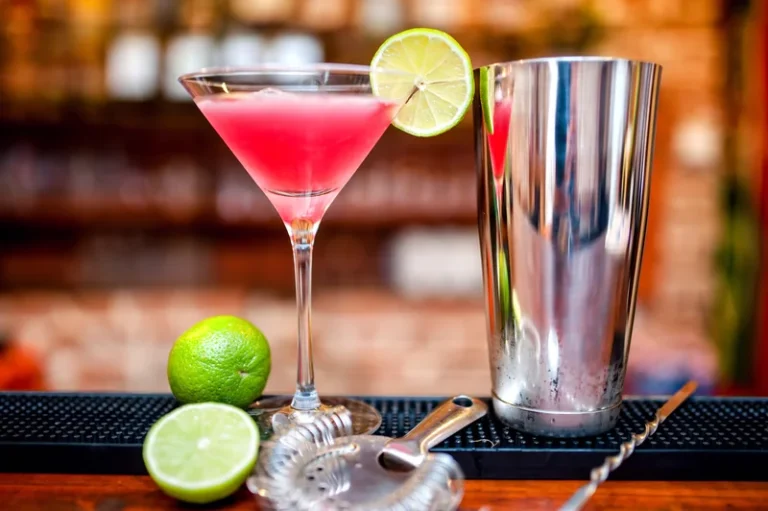
]]>
If you still believe that you have some sort of control over your drinking, you will drink again. Once you relinquish control, you are well on your way to mastering step one. Step 1 of AA is crucial because it’s not just about you and your recovery journey. After Sober living house all, while people with AUD are powerless over alcohol, their loved ones feel powerless as well.
- A key element of our treatment model is incorporating Alcoholics Anonymous.
- To be “entirely ready” means we no longer justify or cling to the behaviors and attitudes that have harmed us and others.
- Rather, look at step one as knowing what you can and cannot handle.
- People usually spend some time trying to moderate their drinking or drug use, maybe quitting for a few days or even months before slipping right back into their old behavior.
- Being ready doesn’t mean we know how to remove them yet—it means we’re open to spiritual help in releasing them.
Breaking Down Step Two of AA Alcoholics Anonymous

It means admitting—and accepting—that you’re living with a disease that alters your brain. It might seem backward, but when you admit that you don’t have power, you finally access the power you need. The Big Book of Alcoholics Anonymous lays out the exact process for working the Twelve Steps. It offers a precise method for achieving sobriety, emphasizing personal accountability, spiritual principles, and service to other alcoholics. AA groups often use the Big Book as their primary text during meetings and step work.
- It is said the 12 steps of AA is compared to markers put out lovingly on a path by those who preceded us, to direct us on our journey.
- Working Step 5 effectively means sharing your moral inventory with someone who understands the process.
- In the evening, a review of the day with gratitude and accountability helps us stay spiritually fit.
- The first step to recovery, according to Alcoholics Anonymous (AA), is to admit that you are powerless over alcohol and that your life has become unmanageable.
- AA support groups are accessible and free, without any age or education requirements.
- Having had a spiritual awakening as the result of these Steps, we tried to carry this message to alcoholics, and to practice these principles in all our affairs.
What are the Benefits of Powerlessness in AA?
- I’d been involved in the sober community on and off for years.
- The only way to break that vicious cycle is by getting honest about your relationship with alcohol.
- Our mission is to provide the most cost-effective, accessible treatment for substance use disorder to as many patients as possible.
Their willingness to admit to having no power usually happens after they have powerless over alcohol repeatedly failed to control their intake or they have hit rock bottom, losing everything that’s important to them. People usually spend some time trying to moderate their drinking or drug use, maybe quitting for a few days or even months before slipping right back into their old behavior. Powerlessness means accepting the fact that you will never be able to drink safely again and letting go of the idea that you can simply “cut down” or manage your drinking. Once you admit to being powerless you can leave behind any of the ambivalence that could have been holding you back in the past and finally move forward into recovery. For a lot of people in recovery, walking into a treatment center or an AA meeting the first time is a major part of “working” step one.
Overcoming Alcoholism
Your simple and humble act of asking for help is effectively an admission of powerlessness and unmanageability. “We admitted we were powerless over alcohol” is, of course, Step One of Alcoholics Anonymous. 12-step programs have been statistically shown to have a 5-10% success rate. Step One isn’t the only reason for this, but it is clearly a part of the problem.
What is AA?

NA also works out of the Basic Text of NA, while AA works from The Big Book of Alcoholics Anonymous. Both fellowships use the Twelve Traditions to https://ecosoberhouse.com/article/sober-curious-what-it-means-and-its-benefits/ maintain unity, emphasizing personal recovery depends on working the steps and practicing service to others. A spiritual awakening, as described in the Big Book, is the internal shift that occurs as we work the steps—a complete transformation in our thinking, attitudes, and way of life. It’s not about perfection or enlightenment but the profound freedom that comes from being freed from the obsession to drink or use. Step 12 marks a profound shift in our recovery journey, where we move from personal healing to helping others.


Maybe you feel like you haven’t been getting as high as you used to, and you miss that lifted sensation. Or perhaps you just feel like your brain’s been living in the clouds for the past few months (or years) and it’s time to switch up your daily routine. Regardless of your reasoning, tolerance breaks can prove to be beneficial to each and every one of us. But that doesn’t mean they’re easy, so it’s best to be fully prepared for the experience. When it comes to managing your cannabis consumption, understanding the concept of a tolerance break is crucial.
Reset Your System With a Cannabis T-Break
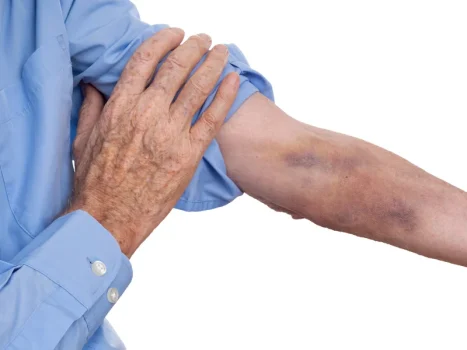
As helpful as they might be, no one likes to go on tolerance breaks, as it means you might be succumbing to cannabis dependence. One last effect, not considered a physical side effect but important nonetheless, is the loss of social connections. If it’s something you like to do with your friends, it will be very difficult to watch movies with your friends as they are all partaking in blunts and gravity bongs. Taking a break from something that helps you feel good can be difficult. Especially if it’s something that’s become part of your everyday routine. For example, if a daily walk or workout has become part of your routine and you suddenly stop for a few weeks – you may feel like something is missing.
A Guide to Cannabis Tolerance Breaks
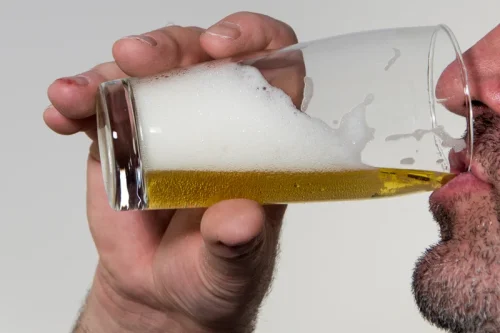
Now, if you’re someone who chooses to take a tolerance break, you’re not alone, and I fully support your decision. Some cannabis lovers—especially recreational users—swear by them as a way to reset their system and lower their cannabis tolerance. To reset your THC tolerance, you Alcoholics Anonymous can take a cannabis tolerance break (also known as a t-break). During your break, you stop consuming cannabis in all forms and pay attention to how your body reacts. One of the main benefits of a tolerance break is the potential for an improved cannabis experience when you resume consumption.
Growing Cannabis 101
The following calculator by LA Times here can help you figure out what exactly your body needs to reset to fully feel the effects of this amazing plant. It’s also worth noting that while THC may filter out of your blood, saliva, and urine relatively quickly, it tends to store in your fat for very long periods of time. This means that unfortunately, it can be very difficult to completely flush your body of cannabis. However, I find that consumption of thc is more enjoyable in an isolated setting anyways (naps, movies, games, books).
This courier service carries out the delivery between our company and the consumer’s home. To complete these logistics, the company requires access to the consumer’s name and address information. In addition, when you browse our shop, we automatically receive the Internet Protocol (IP) address of your computer. Based on this information, we can optimise your online experience and at the same time protect our online environment. To ensure a safe online environment and guarantee adequate data protection, we strictly comply with all legal requirements.
- Recovery is notably difficult to measure, but we can look at changes in behavior, brain function, and brain chemical receptor levels as a proxy.
- She has been featured in many prominent outlets, such as The Growth Op, National Post and The Province.
- Planning your tolerance breaks in advance can help you stay committed to the process.
- Yesterday’s theme of connecting up was a bit metaphysical.
- Therefore, the more THC you consume, whether by increased consumption or higher potency cannabis products, the more you’ll eventually need to achieve the same effects.
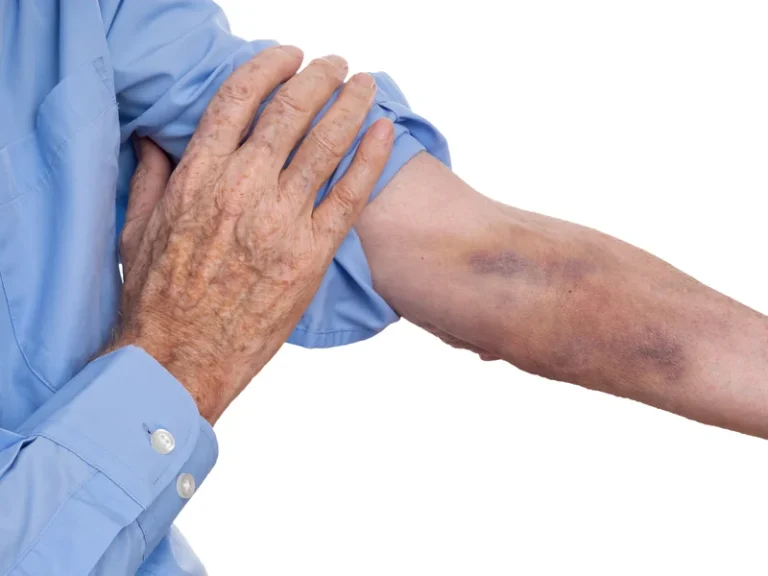
There’s going to be times where you’re tempted to break, but make a promise to yourself that you won’t smoke. On the bright side, once you finally light up again, you’re going to be smaaaacked. You have to tell your friends that you’re taking a break so they know not to tempt you with goodies. After two weeks, it’s a lot easier to not smoke when alone, but kicking it with the homies is when you’ll really be tested. Consuming THC regularly can reduce the number of CB1 receptors that are expressed in the brain over time. This means that using the same amount of THC will gradually stop producing the same effects because there are fewer CB1 receptors for the drug to interact with.
- So, take it as minimally as possible, even if it’s for medicinal purposes.
- These effects typically resolve within a week or two as your body adjusts to the absence of cannabinoids.
- While short breaks (2–3 days) can temporarily improve cannabinoid sensitivity, they do not fully reset tolerance.
- And why does it matter for your health, wallet, and overall cannabis enjoyment?
Regular consumption of cannabis can lead to an increased tolerance, meaning you need more of the substance to achieve the same effects. This is because the body’s endocannabinoid system, which interacts with cannabis, becomes less responsive over time. For example, if you typically smoke joints, how to lower your tolerance for weed without stopping smoking try other methods of consuming THC.
Day 11—Boredom
With that said, there are other useful efforts you can take to increase the productiveness of your t-break. Ultimately, resetting your tolerance levels and substantially increasing the efficacy of THC. The length of your T-break is entirely up to you and depends on your consumption habits and personal goals. Some people find that two days is enough to reset their body’s sensitivity to THC. Frequent users or those who take high doses of THC may require longer breaks of two weeks to a month.
Cannabis tolerance occurs when the body becomes accustomed to the presence of cannabinoids, primarily THC (tetrahydrocannabinol), the psychoactive component in cannabis. With continued use, the body’s endocannabinoid system adjusts, requiring higher dosages to achieve the same effects. This can result in increased consumption, potentially leading to unwanted side effects and higher expenses. There are many reasons that someone might wish to avoid abstaining entirely from cannabis. This is particularly true for people who are using it in a medicinal capacity.
]]>
How to Sober Up Fast: Common Myths Debunked
- In general, try to avoid drinking alcohol four hours before you plan on going to sleep.
- Eating while drinking can reduce the absorption of alcohol into the blood.
- If a person chooses to consume alcohol, they should do so safely and take whatever steps are necessary to avoid putting themselves and others in harm’s way.
- Your body doesn’t digest alcohol like it does other things you consume.
Breathalyzers measure the amount of alcohol in your breath, which is not influenced by drinking sparkling water. If you are taking medication, it is important to consult with your doctor or pharmacist to determine if drinking sparkling water is safe. It may temporarily dilute the alcohol concentration in your stomach, but this effect is minimal. Eating may be the most important way to flush alcohol out of your system. The toxins in alcohol can cause low blood sugar and even crashes, so it’s important to balance it out by eating. If you think you’re too nauseous to eat, you can try something light like crackers or bread.
Does water sober you up faster?
To implement this strategy, focus on eating a balanced meal before or while drinking. Opt for carb-rich options like a How to sober up fast sandwich, rice, or a bowl of cereal. These foods not only slow alcohol absorption but also help stabilize your blood sugar levels, which can drop when drinking.
- Drinking water will also limit how much alcohol you drink, and it does help with the ensuing hangover.
- A widespread belief persists that drinking water can instantly sober someone up after consuming alcohol.
- Carbonated beverages such as beer, champagne or even rum served with cola may speed up your body’s absorption of alcohol more than the non-bubbly kind.
Key Therapeutic Approaches for Addressing Alcohol Use in New York City
If you’re at a social event, choose appetizers like chips with guacamole, pizza, or cheese platters, which combine carbs and fats for maximum effectiveness. Even a small snack can make a difference, so don’t hesitate to grab something to eat if you’re drinking on an empty stomach. Suggestions on the internet to how to sober up fast include drinking strong black coffee. In a 2015 study in the Journal of International Society of Sports Nutrition, researchers performed tests on 16 participants. The participants were divided into two groups, each had to perform two hours of exercise.
To make water more appealing, try adding natural flavors such as lemon, cucumber, or berries. Infused water not only tastes great but also adds variety to your hydration habits. This only multiplies for those of us who have been drinking (or ripping and running) in warmer climates. An individual with a BAC of 0.08% is considered inebriated and unable to operate a vehicle safely in the eyes of the law.
- That’s because your body mass determines the amount of space through which alcohol can be diluted in your body.
- Stick to plain water or herbal teas, which are gentle on the stomach and promote hydration without added stressors.
- Proven effective by third-party studies, TIPS is a skills-based training program that is designed to prevent intoxication, underage drinking, and drunk driving.
- Drinking water does not speed up the metabolism of alcohol or make you sober faster.

In addition, trying to get a severely intoxicated person into a shower can be exceedingly difficult, making this quick fix far more effort than it’s worth. To lower the risk of a hangover nthe ext morning, encourage the consumption of cold water— not bathing in it. Yes, drinking sparkling water after drinking alcohol is safe and can help you stay hydrated. There’s no fast way to sober up once alcohol is in the bloodstream. The only way to sober up is to wait for the alcohol to metabolize.
A quick sobering up generally means the need to reduce the immediate effects of alcohol, such as a feeling of drunkenness or impairment, whereas true amphetamine addiction treatment sobriety is long-term substance-free living. Your body can metabolize alcohol at a defined rate, so drinking more slowly allows your body to keep up. So caffeine can counteract the tiredness induced by alcohol, which might explain why a cup of coffee is popular in many places at the end of a meal. But it can’t remove feelings of drunkenness or some of the cognitive deficits alcohol causes. The reason is that we have to metabolise the alcohol we drink in order to diminish its effects.
Drinking Coffee

Urine tests, such as the ethyl glucuronide (EtG) test, are also effective for around hours after use. It’s clear that alcohol’s sedative effects are temporary, and drinking it before bed as a “sleep aid” will backfire. Not only will you get less sleep and miss out on the restorative power of REM sleep, but you’ll also put yourself at risk for some of the other side effects discussed in this article. Sipping water and allowing it to stay in the mouth and then passing through the food pipe helps the alkaline saliva reach the stomach to neutralise acid levels in the stomach. While hydration doesn’t sober you up directly, it plays an important role in recovery from intoxication effects and hangovers. Time and sleep are the most reliable ways to sober up safely and detox, as they allow for the effective metabolism of consumed alcohol.
How long will 1 beer show up on a breathalyzer?
Many regular drinkers may not even feel any effects at this level of alcohol consumption; however, they will still have the same impairment as light to moderate drinkers. Breath and saliva tests typically stop working 12 to 24 hours after alcohol consumption. Blood can only give a clear measure of recent drinking within the first 6 hours, but traces can remain for a day or so. So, while everyone’s alcohol metabolism rate is a little different, chances are the “one drink an hour” rule doesn’t work. That doesn’t mean you can’t have a couple of drinks and still be able to drive, but it does mean that you’ll want to reconsider your own timing.
]]>