Why Does Alcohol Make You Dehydrated Upside Hangover Jelly
This also means drinking alcohol on an empty stomach can lead to a higher blood alcohol content (BAC). However, alcohol’s dehydrating effects will be somewhat reduced in some of the “lighter” alcoholic drinks. Yes, by alternating alcoholic drinks with water, staying hydrated before and after drinking, and limiting alcohol consumption to moderate levels. To avoid dehydration and other side effects of overconsumption of alcohol, like hangover, start practicing healthier drinking habits. Follow the guidelines for your age, gender, and medical history to know how much is safe for you to drink.
Can dehydration from alcohol consumption affect skin health?
Cold plunging provides a dopamine and endorphin boost that temporarily counteracts the anxious, depressed feeling. These interruptions leave you feeling tired and groggy the next day despite having spent enough time in bed. The cycle worsens if you continue drinking without hydrating properly. Chronic heavy drinking can result in high blood pressure, which is a leading cause of kidney disease.
Alcohol dehydration vs dehydration of alcohol:

So to avoid having to pee so frequently, https://ecosoberhouse.com/ limit the amount of alcohol you drink. And to avoid becoming dehydrated, make sure you replace lost fluids with water. The effects of dehydration include feeling thirsty, dizzy, lightheaded and tired, experiencing a dry mouth and lips and dark yellow and strong-smelling pee. These products contain electrolytes, potassium, sodium, and chloride – all of which your body loses with higher urine output.
DripDrop Juicy Variety Pack Electrolyte Powder
Also, darker liquors contain more congeners, byproducts of fermentation, which can exacerbate hangovers and contribute to dehydration. When you’re feeling a hangover, it’s important to explore the root cause. We’re sure you’ve noticed that alcohol consumption makes you pee. Alcohol is a natural diuretic that draws fluid out of your body, expelling it through your kidneys and bladder more rapidly than usual. It does this by inhibiting your antidiuretic hormone — a hormone that’s used by the body to protect against dehydration.
Your Post-Drinking Recovery Plan
Beyond the discomfort of dry skin and headaches, you risk more severe issues like vitamin deficiencies, which can further compromise your body’s ability to function properly. Your nervous system, responsible for communication throughout your body, can also suffer damage. Perhaps most seriously, chronic dehydration contributes to kidney damage and liver disease. It can also worsen hangover symptoms, intensifying nausea, light sensitivity, and fatigue. If you’re concerned about your alcohol consumption, explore Reframe’s FAQ for more information on developing healthier drinking habits. In conclusion, understanding the relationship between alcohol consumption and dehydration is crucial for maintaining proper hydration levels and overall well-being.

Moderate Dehydration
- Not all drinking leads to severe dehydration; it largely depends on quantity consumed relative to body size and individual tolerance levels.
- If you or someone you’re with experiences severe symptoms like delirium, fainting, or extreme dizziness, seek immediate medical care.
Alcohol poisoning is a serious and sometimes deadly result of drinking large amounts of alcohol in a short period of time. Drinking too much too quickly can affect breathing, heart rate, body temperature and gag reflex. Heavy alcohol use raises the risk for fractures and even low levels of alcohol intake increase the odds for recurrent gout attacks. Alcohol also impairs bone fracture repair and reduces bone density. Heavy alcohol use can disturb the endocrine system, disrupting the hormones that help maintain the body’s stability and health. There is also evidence that alcohol can disrupt or delay puberty.
Hydration Tips: Alternate alcoholic drinks with water to minimize dehydration risk
- It impairs your kidneys’ ability to filter blood and makes them work harder.
- And while chips and popcorn are mainstays at BBQ’s, it’s best to limit your consumption of them.
- There is a distinct difference between alcohol dehydration, and the dehydration of alcohol.
- If you don’t feel better from drinking plain water, try adding an electrolyte mix to water or drinking a low-sugar sports drink that contains electrolytes.
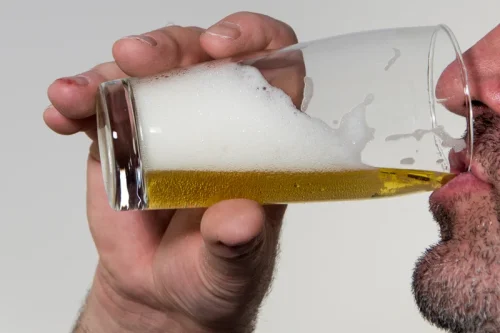
While beer typically has a lower alcohol volume than other alcoholic beverages such as liquor, it still has enough to cause dehydration. If we’re experiencing any of these after excessive alcohol consumption, we could have alcohol dehydration, which can result in serious health consequences. While hangover symptoms may remain, be sure to drink water to help speed your recovery. Alcohol decreases the amount of ADH your body produces, making it harder to retain enough fluids. The higher the alcohol content, why does alcohol make you dehydrated the greater this effect will be.
How Drinkwel Supplements Can Help
Specifically, alcohol can lower levels of potassium and magnesium, two important electrolytes. Low levels of electrolytes can lead to muscle cramps, weakness, and fatigue. The most common symptoms of alcohol dehydration include thirst, a dry mouth, headaches, muscle aches or cramps, fatigue, and dark-colored urine.
- By recognizing the signs of dehydration early and responding with adequate hydration, you can minimize the risk of more severe complications, such as heat exhaustion or heatstroke.
- When you wake up day after day with headaches, nausea, and all-around fatigue, life can feel like an endless blur of bleakness.
- Acetaminophen affects the liver, which is already working in overdrive due to alcohol consumption.
Alcohol is notorious for sending people to the bathroom more often than usual. But what exactly happens inside your body to cause this increased urination? The key player is a hormone called vasopressin, also known as antidiuretic hormone (ADH).
Each shot of alcohol that you drink forces your kidneys to generate an extra 120 millilitres of urine on top of the normal 60–80 millilitres per hour. Some people have a headache a few hours after drinking wine marijuana addiction — especially red wine. But it’s different from a hangover, which may or may not include a headache.