
Prysmvest Daily Updates on Investment Strategies
Prysmvest daily investment strategies updates
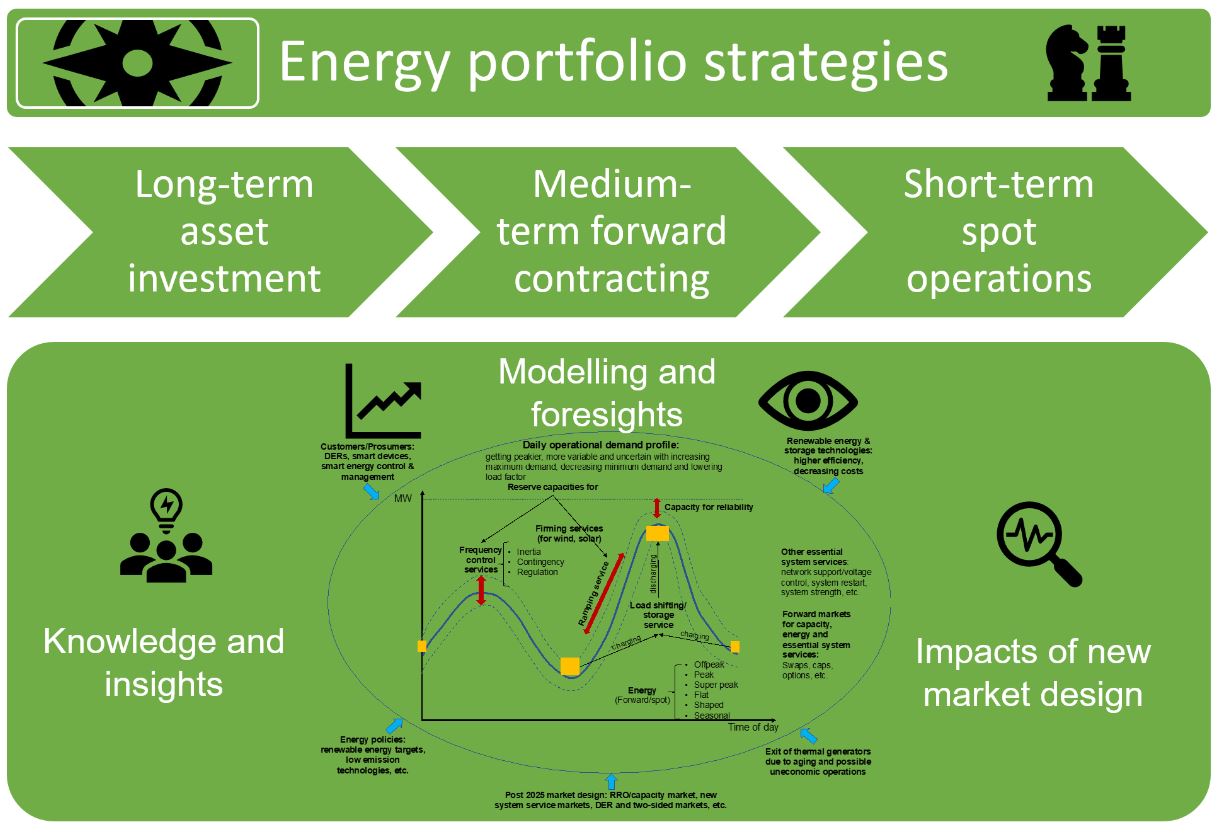
Allocate 20% of your portfolio to diversified index funds for stable growth. This approach minimizes risks associated with single stocks while ensuring exposure to market trends. Review your allocation quarterly to adapt to shifting financial climates and adjust based on performance.
Consider adding alternative investments such as real estate or commodities. These assets often behave differently than stocks and bonds, providing a hedge against market volatility. Aiming for 10-15% in these sectors can enhance your portfolio’s resilience.
Stay informed about economic indicators. Focus on inflation rates, unemployment data, and GDP growth. Tracking these metrics helps in making timely adjustments to your strategies, allowing you to capitalize on emerging opportunities. Incorporate regular research into your routine for continuous improvement.
Utilize dollar-cost averaging to mitigate the impact of market fluctuations. By consistently investing a fixed sum at regular intervals, you can acquire more shares when prices are low and fewer when prices rise. This technique promotes long-term asset accumulation, reducing the stress of trying to time the market.
Finally, don’t overlook the importance of setting clear financial goals. Distinguish between short-term objectives and long-term aspirations. Establishing actionable steps towards these goals keeps you focused and motivated, ensuring that your investment strategies align with your financial vision.
Analyzing Market Trends for Better Investment Decisions
Start monitoring key economic indicators like GDP growth, unemployment rates, and inflation. These figures provide insights into market health and can signal future trends. For example, a rising GDP combined with falling unemployment suggests increasing consumer spending, a sign for potential stock market growth.
Leverage Technical Analysis
Use charts and historical price data to identify patterns. Moving averages, for instance, can indicate potential entry and exit points. A simple strategy involves looking for ‘golden crosses,’ where a short-term moving average crosses above a long-term moving average, signaling a buy.
Keep an Eye on Sector Performance
Analyze which sectors are gaining momentum. For instance, technology and renewable energy sectors often outperform during periods of economic expansion. Identifying these trends earlier can position you advantageously. Utilize sector ETFs to diversify investments within high-performing segments.
Adjust your portfolio based on market sentiment and trends. If consumer confidence drops, consider reallocating resources towards defensive stocks, like utilities or consumer staples, which tend to hold up better in downturns.
Utilize reliable financial news outlets and analytical tools to stay updated on market conditions. This knowledge enables informed decision-making and timely adjustments to your investment strategy.
Identifying High-Potential Assets in Emerging Markets
Focus on sectors experiencing rapid growth, like technology and renewable energy. Analyze local market conditions, including regulatory frameworks and economic indicators. These factors often reveal opportunities that are underpriced or overlooked by mainstream investors.
Conduct In-Depth Research
Prioritize companies with strong management teams and clear growth strategies. Look for businesses that show resilience during economic downturns. Regularly review financial reports and market analyses to spot trends and forecast potential shifts.
Leverage Local Expertise
Collaborate with local analysts or investment firms who understand the intricacies of the market. Their insights can provide an edge in identifying rising stars and potential pitfalls. Engage with reliable sources to stay updated on market sentiment and regulatory changes.
For more insights and strategies, visit prysmvest.
Implementing Risk Management Techniques in Your Portfolio
Incorporate diversification by spreading investments across various asset classes, such as stocks, bonds, and real estate. This approach minimizes the impact of a single asset’s poor performance on your overall portfolio.
Utilize stop-loss orders to limit potential losses on individual investments. Setting a stop-loss at a predefined price triggers an automatic sale, protecting your capital from significant downturns.
Consider position sizing, which dictates the amount invested in each position relative to your total capital. This ensures that no single investment can unduly affect your portfolio’s value.
Regularly rebalance your portfolio to maintain your desired asset allocation. This involves selling portions of assets that have grown to represent a larger percentage of your portfolio and buying those that have decreased in value.
Employ dollar-cost averaging to reduce the impact of market volatility. By investing a fixed amount regularly, you purchase fewer shares when prices are high and more shares when prices are low, averaging out your cost over time.
Analyze your investments with risk metrics such as beta and standard deviation. Understanding these metrics helps gauge volatility and potential risk exposure within your portfolio.
Review your investment strategy periodically. Market conditions, personal circumstances, and financial goals can change, necessitating adjustments to your risk management techniques.
Consult with a financial advisor to refine your risk management strategies. Professional insights can bring clarity and a tailored approach that aligns with your unique financial situation.
Video:
🔴 LIVE TRADING ON POCKET OPTION | Win Binary Options with Proven Strategies (2025)
🔴 LIVE TRADING ON POCKET OPTION | Win Binary Options with Proven Strategies (2025)