
Unraveling the historical evolution of casinos From ancient rites to modern gambling hubs
Unraveling the historical evolution of casinos From ancient rites to modern gambling hubs
The Origins of Gambling in Ancient Civilizations
The practice of gambling can be traced back to ancient civilizations where it was often intertwined with religious and cultural rituals. Archaeological findings suggest that games of chance were played in ancient Mesopotamia, China, and Egypt. In these societies, gambling often served as a means of divination or a method to appease deities. The excitement of chance and the potential for fortune were pivotal in these early rituals, paving the way for the evolution of modern gambling practices. Many turning to canadian casino sites reflect this deep-rooted tradition, blending history with contemporary gaming experiences.

As we delve deeper into the historical roots of casinos, we discover that the motivations behind gambling varied widely among cultures. In some instances, it was a communal activity that fostered social bonds, while in others, it was viewed with skepticism and caution. The dual nature of gambling—both celebrated and condemned—marked its journey through history and laid the groundwork for future gaming establishments.
The Development of Gambling Houses in the Middle Ages
The transition from informal gambling to structured establishments occurred during the Middle Ages. As towns began to develop, so did the need for designated spaces where people could engage in games of chance. The first gambling houses, known as gaming houses, emerged across Europe, particularly in Italy. These venues were not only places for gambling but also social hubs where the elite gathered to enjoy entertainment and revelry.
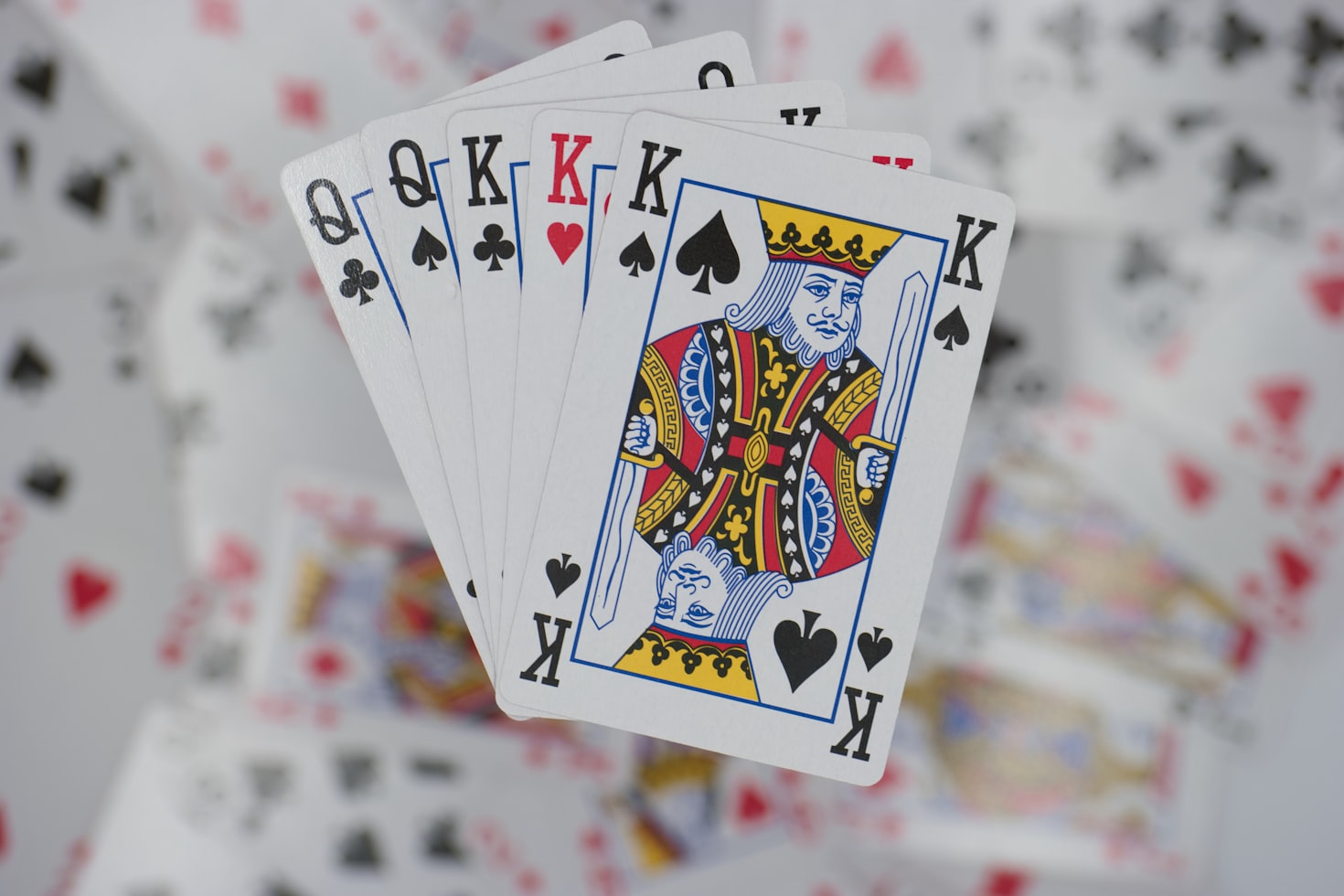
This era saw the introduction of various gambling games that are still popular today. The emergence of card games, for instance, began to take shape, attracting players from different backgrounds. The establishment of these gaming houses signified a transformation in the way gambling was perceived—no longer merely a pastime but a potential source of wealth and status.
The Rise of Casinos in the Renaissance Era
The Renaissance marked a pivotal point in the evolution of casinos. The word ‘casino’ itself originated from the Italian term meaning ‘little house.’ During this time, gambling became a regulated activity, with specific laws governing its operation. In Venice, the first official casino was established, setting a precedent for future gaming establishments across Europe.
The Renaissance also saw an explosion of creativity in game design. Many games that we recognize today—such as baccarat and roulette—were developed during this era. These games reflected not only the social norms of the time but also the growing fascination with chance and risk. The casino became a symbol of sophistication and leisure, attracting a diverse clientele eager to partake in this fashionable pastime.
The Global Expansion of Casinos in the 19th and 20th Centuries
The 19th century heralded an era of global expansion for casinos. As European immigrants ventured to the Americas, they brought their gambling customs along with them. In the United States, cities like New Orleans became hotspots for gaming activities, leading to the establishment of casinos that catered to both locals and tourists. The Gold Rush further fueled this trend, with gambling emerging as a popular form of entertainment in burgeoning towns.
The 20th century witnessed a further evolution with the legalization and regulation of gambling in various jurisdictions, particularly in Nevada. Las Vegas transformed from a modest desert town into a vibrant casino capital, attracting millions of visitors annually. This era also introduced the concept of themed casinos, combining entertainment, dining, and gaming into one extravagant package, revolutionizing the way people experience gambling.
Exploring Toronto’s Casino Culture
In Toronto, the casino scene offers a unique blend of entertainment and cultural experiences. The city has embraced the concept of integrated resorts, where visitors can enjoy gaming alongside fine dining and live performances. These establishments not only cater to gamblers but also provide a dynamic social atmosphere that showcases Toronto’s diverse culture.
For both residents and tourists, Toronto’s casinos serve as a microcosm of the city’s vibrant lifestyle. With ongoing events, promotions, and a commitment to responsible gaming, these venues contribute to the urban tapestry, making them an essential part of Toronto’s cultural and social landscape. Whether you’re an avid gambler or simply looking to explore, the city’s casinos promise an unforgettable experience.