
Why Yield Farming SPL Tokens on Solana Feels Like a Wild Ride
Okay, so check this out—when I first dipped my toes into yield farming with SPL tokens on Solana, I thought it was just another DeFi buzzword. Wow! Turns out, it’s way more layered and a bit messier than I expected. The ecosystem is buzzing, but there’s also that nagging feeling you get when you realize not all that glitters is gold. Seriously? Yeah, because while the returns can be tempting, the risks and complexity sneak up on you if you’re not careful.
Yield farming on Solana involves staking or lending your SPL tokens to various protocols, hoping to earn rewards like additional tokens or transaction fees. Initially, I thought it was just about locking up assets and watching your balance grow. But then I realized, the protocols themselves vary wildly—from stable, audited ones to experimental playgrounds where you’re basically a guinea pig. And, oh man, the gas fees here? They’re practically nonexistent compared to Ethereum, which makes Solana super attractive for quick moves and multiple swaps.
My instinct said, “This is a game-changer,” but something felt off about how many projects popped up overnight without solid backing. The hype can cloud judgment, and I’ve seen people dump their tokens into what looks promising only to regret it later. On one hand, the speed and scalability of Solana open doors for real DeFi innovation, though actually navigating which yield farms are legit requires a good bit of research and skepticism.
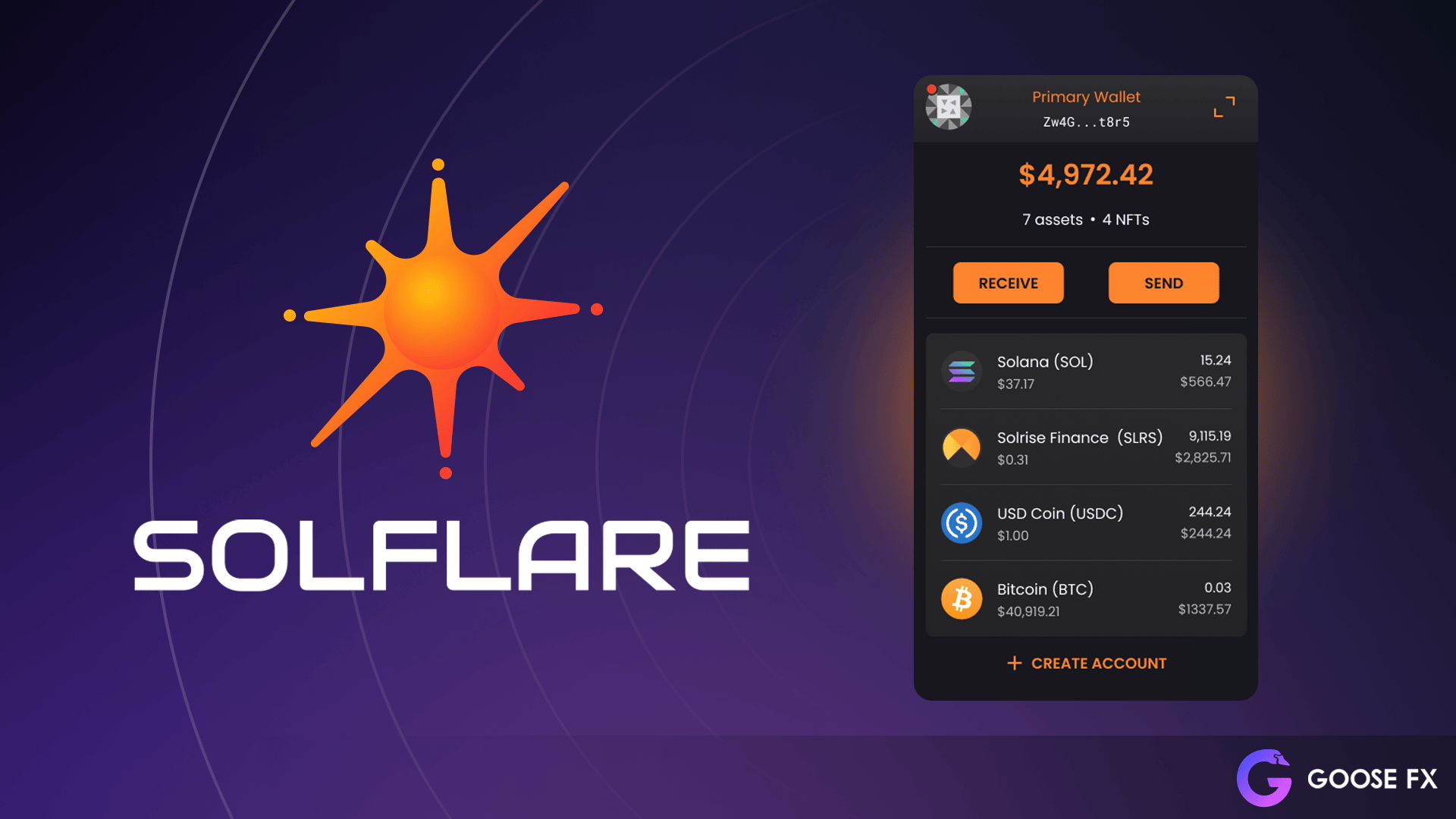
And speaking of research, let me tell you about wallets. Managing these SPL tokens safely is very very important, especially when your funds are on the move between different protocols. I’m biased, but the solflare wallet has been my go-to—it’s user-friendly yet robust, making staking and interacting with DeFi apps less of a headache. If you haven’t tried it yet, check it out solflare wallet—trust me, it’s worth it.
Now, here’s the thing. The promise of high yields often comes with trade-offs like impermanent loss, smart contract vulnerabilities, or volatile tokenomics. You might see a project offering 50% APR, but then a sudden market shift or protocol glitch can wipe out those gains overnight. I’m not exaggerating—yield farming isn’t for the faint-hearted or the casual investor, especially on newer networks where the ecosystem is still evolving.
Getting to Know SPL Tokens and Their Role
SPL tokens are Solana’s native assets, akin to ERC-20 tokens on Ethereum. They represent everything from stablecoins and governance tokens to NFTs and liquidity pool shares. What’s cool is that because Solana can handle thousands of transactions per second, interacting with these tokens feels smooth and almost instant. No more waiting 10 minutes for a confirmation. But, hmm… that speed also means you can get in trouble fast if you’re not paying attention.
For example, I once jumped into a new DeFi protocol offering nice rewards for staking a certain SPL token. The UI was slick, and the APR looked solid. But after a few days, I noticed the token price tanked, and the protocol’s TVL (total value locked) started to drop sharply. I didn’t fully grasp the tokenomics or the project’s risks upfront—rookie mistake. This experience taught me that yield farming isn’t just about chasing numbers; it’s about understanding the underlying assets and the health of the ecosystem.
Also, because SPL tokens are native to Solana, they integrate seamlessly with wallets like solflare wallet, which supports staking, swaps, and governance voting all in one place. That integration makes managing a portfolio feel less like juggling and more like orchestrating. But I gotta admit, sometimes the sheer number of options across different DeFi protocols can be overwhelming, especially if you’re hopping between multiple yield farms.
Speaking of which, here’s a bit of a tangent—there’s this odd trend where some projects launch shiny tokens with aggressive farming incentives to bootstrap liquidity, only to disappear or drastically reduce rewards later. It’s a wild west out there. So, I recommend a cautious approach and always keeping an eye on audit reports, community chatter, and official channels.
Yield farming SPL tokens can be rewarding, but it’s definitely not a “set it and forget it” kind of deal. You gotta be ready to adapt and sometimes pull out quickly if the risk profile shifts. Oh, and by the way, the Solana ecosystem’s rapid growth means new protocols pop up every week, some of which are experimental and risky. That’s why a solid wallet like solflare wallet really helps keep things manageable and secure.
DeFi Protocols on Solana: The Good, the Bad, and the Unexpected
Honestly, it’s a mixed bag. Some DeFi protocols on Solana have matured impressively, offering stable returns and good security. Others feel like beta versions where you’re part of the testing group, sometimes without realizing it. Initially, I thought the low fees would make these platforms inherently safer because users can exit positions without losing much to transaction costs. But actually, that’s only one piece of the puzzle—the smart contracts themselves need to be solid.
One protocol I tried had a neat staking feature for SPL tokens, with a dashboard that made tracking your yield pretty straightforward. However, I noticed that when the market dipped, the rewards didn’t cushion the losses as much as I’d hoped. That’s when I realized yield farming’s returns are often tethered tightly to the underlying token’s volatility. It’s not just about farming; it’s crypto’s wild price swings playing a big role.
And here’s a kicker: liquidity pools on Solana sometimes have fewer participants compared to Ethereum, which can lead to higher slippage or less stable incentives. This part bugs me because it means you have to be extra savvy about which pools to join. I’m not 100% sure if the ecosystem will balance out as it grows, but the community’s enthusiasm is definitely pushing things forward.
On the upside, the composability of DeFi apps on Solana means you can layer strategies—like staking your LP tokens in another protocol to maximize yield. That sounds cool, but it’s also a double-edged sword because the complexity can increase risks. If one protocol fails, it can cascade across the stack. So, keeping your wallet organized and secure becomes crucial, which brings me back to why I rely on the solflare wallet. Its interface helps me track multiple staking positions without losing my mind.
Honestly, I’ve had moments where I questioned if all the yield farming hype is sustainable or just a bubble waiting to burst. But then again, innovation in DeFi tends to be messy before it matures. So, I’m cautiously optimistic but always mindful of the risks.
Wrapping My Head Around Risks and Rewards
Yield farming is like walking a tightrope—balance is everything. I used to think you just pick the highest APR and ride it out. But nope. There’s impermanent loss, smart contract bugs, and token price crashes lurking around the corner. What’s more, some projects have lock-up periods that make it hard to pull out when you want. That part bugs me a lot because liquidity matters, especially in a volatile market.
One time, I locked my SPL tokens in a farm with a 60-day lockup (don’t ask why I didn’t check carefully). When the market tanked, I was stuck watching my position bleed value while unable to react. Lesson learned the hard way. Still, with tools like the solflare wallet, it’s easier to monitor and manage these positions, which slightly eases the stress.
On the bright side, the Solana ecosystem is pushing improvements in protocol audits, insurance options, and better user interfaces. These developments give me hope that yield farming will become more user-friendly and safer down the road. But for now, it’s definitely a “buyer beware” scenario where due diligence is your best friend.
So yeah, juggling rewards and risks with SPL tokens in DeFi is part art, part science, and a pinch of luck. It’s exciting but requires a steady hand and a skeptical eye. If you’re looking to dive in, start small, use trusted wallets like the solflare wallet, and keep learning as you go.
Ultimately, yield farming on Solana is a frontier—full of promise but sprinkled with pitfalls. It’s not for everyone, but for those willing to navigate its quirks, it offers a unique avenue to grow crypto assets in a fast-evolving DeFi landscape. Hmm… I wonder where it’ll be a year from now.