Fund Accounting for Nonprofits: In-Depth Guide to Basics

Your nonprofit accounting system should make it easy to generate standard financial reports and customized impact statements showing donors how their support advances your mission. This guide strikes a balance between basic nonprofit bookkeeping and complex nonprofit accounting practices. It covers everything from basic principles to financial statements and compliance requirements, explained in clear, practical terms that are easy to understand and apply. Restricted funds can be temporary, such as those tied to a specific project, or permanent, such as endowments where only the generated income can be spent while the principal remains intact. When you use nonprofit accounting software to track your funds, you demonstrate that your organization is a responsible steward of the Accounting Services for Nonprofits: Benefits and How to Choose the Right Provider financial resources entrusted to you.
It’s Time to Demystify Small Business Banking
- This key difference in the LLC vs. nonprofit comparison comes with strict requirements for financial reporting and public disclosure.
- For example, when a nonprofit buys equipment or property, these assets are managed differently than in a business setting.
- Accounting for government and nonprofit entities presents unique challenges distinct from traditional business accounting.
- Regular audits, whether internal or external, provide independent assessments, identifying areas for improvement.
- Fund accounting prioritizes the accountability and reporting of restricted and unrestricted funds, ensuring donors and stakeholders can see exactly how resources are utilized.
These systems handle recurring donations, matching gifts, and varying restriction levels. Small nonprofits might qualify for simpler forms (990-EZ or 990-N), but the basic requirements remain unchanged. The Statement of Functional Expenses breaks this down into program costs versus administrative expenses. The Statement of Cash Flows shows you received the money in January but spent it gradually through December. The Statement of Activities tracks how you use it throughout the year—maybe $80,000 for mentor training, $15,000 for program staff, and $5,000 for required reporting.
Choosing the Right Depreciation Method for Your Business Assets

This step is vital for ensuring every financial transaction is correctly categorized, making reporting and compliance easier. “What” identifies the designated purpose of revenue in order to monitor the restrictions often attached to revenue received. It is important to note, nonprofits must use this revenue in the way the donor intended. However, https://holycitysinner.com/top-benefits-of-accounting-services-for-nonprofit-organizati/ nonprofits may use the earned income to carry out the organization’s ongoing activities. The two most common types of funds that nonprofits use are unrestricted and restricted funds.
📘 The 5 Core Categories of a Nonprofit Chart of Accounts

These requirements often stem from regulations set by the Financial Accounting Standards Board (FASB) and the Internal Revenue Service (IRS). Understanding these guidelines is crucial for nonprofit leaders to ensure compliance and maintain public trust. In navigating the complexities of nonprofit accounting, organizations must prioritize their accountability to donors and stakeholders over traditional profit-driven metrics. This involves implementing fund accounting, which allows nonprofits to manage resources according to specific restrictions tied to donor contributions.
- However, it’s now commonly accepted that the exact breakdown will look different for every organization.
- Hence, it provides the bifurcation in the treatment of both types of grants and provides traceability to the usage of funds having donor-specific restrictions or conditions.
- Funds amassed for one purpose have to remain separate from funds amassed for another purpose.
- Platforms like Crowded help automate fund tracking, categorize transactions, and generate reports even if you’re not a finance pro.
- Fund accounting is a specialized accounting system used by nonprofit organizations to track and report on funds based on donor restrictions.
- They can generate detailed financial reports in just a few clicks, making it simpler to share their financial status with their board members, donors, and the community.
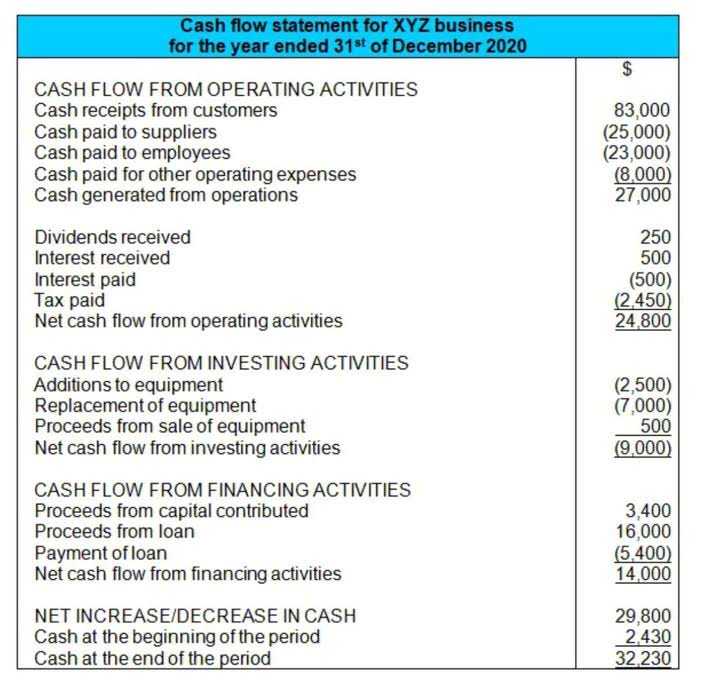
A well-structured chart ensures consistency and clarity in financial reporting. Navigating grant and contract accounting in nonprofits involves understanding the intricate terms and conditions set by funding entities. These agreements often dictate specific deliverables, timelines, and financial reporting requirements. Managing multiple grants and contracts can pose challenges, necessitating a robust accounting framework to ensure compliance and proper fund allocation. Additionally, the Statement of Cash Flows provides insights into the organizationâ?? S cash management, detailing how cash is generated and used in operating, investing, and financing activities.

Document unique donor requirements, special handling procedures, and the reasoning behind key financial policies. Cross-train staff on essential functions and maintain clear process documentation. This preparation helps your organization maintain strong financial management even when key personnel changes occur. Unlike for-profit organizations, where there is a unified tracking system, nonprofit organizations are restricted to separate tracking of financial transactions. When it comes to fund accounting for nonprofits, it’s crucial to ensure accuracy, transparency, and compliance.
- This statement helps stakeholders understand how funds are being utilized to further the nonprofit’s mission.
- Revenue that is received by a nonprofit is put into different categories when using fund accounting.
- Nonprofit financial statements convey the financial health and operational outcomes of organizations dedicated to public service.
- The determining factor lays in the documentation or agreement in place when receiving the funds.
- It involves tracking cash flow with a focus on accountability rather than profitability.
- Examples of funds include designated funds, restricted funds, unrestricted funds, grants, and specific campaigns.
- Since many donations and grants come with specified instructions on how the funds can be used, fund accounting accurately separates the income into the correct fund category.